Our Ultimate Komodo Yacht Sailing Route for Seeing Dragons
 Komodo Super Yacht Editorial Desk
May 12, 2026
9 min read
Komodo Super Yacht Editorial Desk
May 12, 2026
9 min read
Komodo Super Yacht Editorial Desk
May 12, 2026
9 min read
Komodo Super Yacht Editorial Desk
May 12, 2026
9 min readThe air hangs thick and saline, a familiar welcome to the Flores Sea. From the aft deck, the volcanic cone of Sangeang Api is a hazy silhouette against the rising sun, its peak trailing a whisper of smoke. Below, the gentle thrum of the engines is the only sound disturbing the glassy water as we glide out from Labuan Bajo. This is the precise moment a journey transitions from anticipation to reality. For years, I’ve advised Departures readers on the world’s most exclusive escapes, and the truth is, few archipelagos deliver the raw, antediluvian thrill of Komodo. Aboard a private vessel, you are not just a visitor; you are an explorer charting a course through a land that time forgot, a realm ruled by dragons.
Every great expedition requires a strategic starting point, and for Komodo, that is the bustling harbor town of Labuan Bajo on the western tip of Flores. Once a sleepy fishing village, it has matured into the primary gateway to Komodo National Park, a UNESCO World Heritage site since 1991. The transformation is palpable; the airport (LBJ) now welcomes direct flights from Jakarta and Bali, streamlining access for international travelers. Yet, the moment you step aboard your Komodo Super Yacht charter, the port’s energy recedes into a quiet wake. Our captain, a Flores native with over two decades of experience navigating these waters, always advises a midday departure. This allows for a gentle three-hour cruise, approximately 25 nautical miles, to our first anchorage, placing us perfectly for the adventures of the coming days. The route is not arbitrary. It is a carefully calibrated sequence designed to maximize wildlife encounters while minimizing contact with the day-tripper crowds that flock from the mainland. The park itself spans a formidable 1,733 square kilometers, encompassing 29 distinct islands, so a well-planned trajectory is paramount. As we anchor in a secluded cove off Rinca Island, the setting sun paints the sky in violent strokes of orange and purple. The day-boats have long since returned to port. Here, in the profound quiet, the real journey begins.
While Komodo Island lends its name to the park, my logbook—and the advice of every seasoned ranger I’ve spoken with—points to Rinca Island as the superior initial destination for dragon-sighting. It’s slightly smaller than Komodo, at around 198 square kilometers, and its savanna-like grasslands offer less cover, making the dragons easier to spot. Accompanied by a park-certified ranger, an absolute non-negotiable for safety, we set out on an intermediate trek. Within 20 minutes, we find our first specimen: a dominant male, easily 2.5 meters long, basking motionless near the ranger station’s kitchen, drawn by the scent of cooking. The Komodo dragon (Varanus komodoensis) is the world’s largest lizard, a formidable predator whose saliva contains a toxic cocktail of bacteria and venom. An adult can weigh over 70 kilograms and consume up to 80% of its body weight in a single meal. Later, deeper into the island, we witness a younger dragon stalking a Timor deer—a raw, powerful display of the island’s untamed food chain. The second day’s climax is a dusk excursion to Kalong Island, or ‘Bat Island’. As the sun dips below the horizon, the sky erupts with hundreds of thousands of giant fruit bats (flying foxes) emerging from the mangroves to begin their nightly forage. It is a staggering, almost biblical, spectacle of nature, best observed from the deck of your yacht, cocktail in hand.
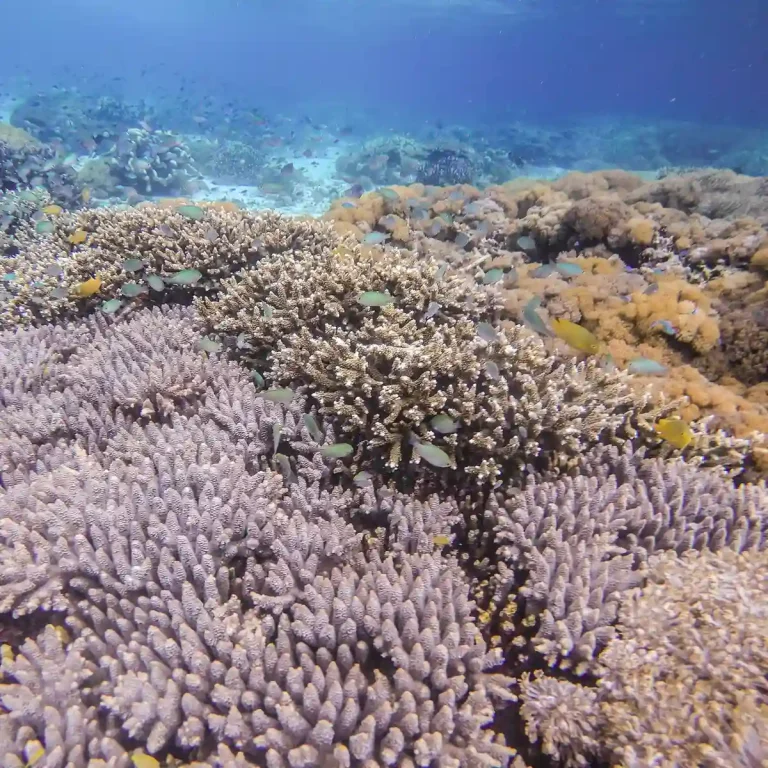
After the intensity of Rinca, the third day is dedicated to its larger, more famous sibling: Komodo Island. The landscape here is more rugged and forested, offering a different trekking experience. The dragons on Komodo can be larger, with some males reaching the mythical 3-meter mark. The trek to the Banu Nggulung waterhole, a historic observation point, often yields sightings, but the true value of visiting both islands is appreciating the subtle ecological differences that drive their respective dragon populations. After our morning trek, we sail a short distance to one of the world’s most photographed beaches: Pantai Merah, the Pink Beach. Its remarkable color is not sand but the crushed skeletons of microscopic marine organisms called Foraminifera, which produce a red pigment. From a distance, it’s a soft blush; up close, the crimson fragments are clearly visible against the white sand. The water here is exceptionally clear, with a visibility of 20-30 meters, making it an idyllic spot for an afternoon of snorkeling. The coral gardens just offshore are vibrant and teeming with life, a gentle introduction to the subaquatic marvels that define the latter half of our journey. This juxtaposition of prehistoric terrestrial life and kaleidoscopic marine biodiversity within a few nautical miles is the very essence of what makes this sailing route so compelling.
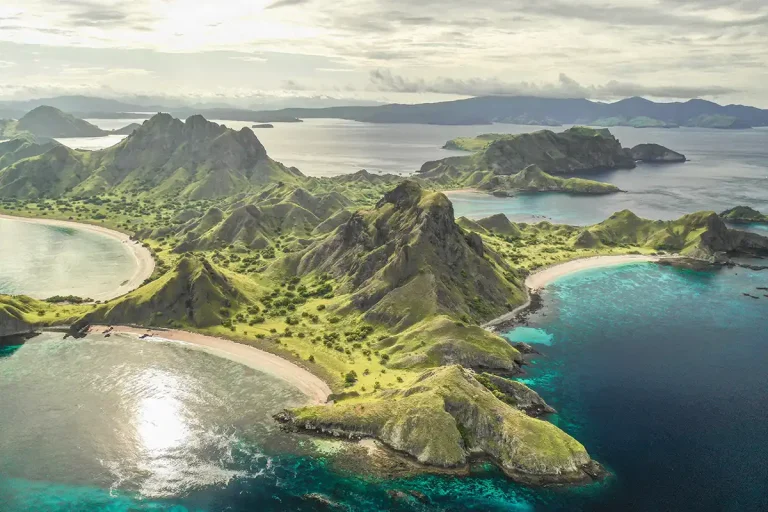
Leaving the dragons behind, our focus shifts beneath the waves. We navigate to Manta Point, a renowned cleaning station where majestic oceanic manta rays congregate. These gentle giants, with wingspans that can exceed 7 meters, glide effortlessly through the currents, allowing smaller fish to pick parasites from their bodies. The experience of snorkeling or diving among a dozen of these creatures is profoundly humbling. The currents here can be strong, so this is an activity best undertaken from the stable platform of a komodo super yacht, with expert dive masters guiding the way. The following day is dedicated to capturing the single most iconic image of the archipelago: the view from the summit of Padar Island. A moderately strenuous 30-minute hike up a well-worn path reveals a panorama that is genuinely without parallel. From the peak, you can see three separate bays, each with a different colored beach—one white, one black (volcanic), and one pink. The geological forces that shaped this landscape are on full display. We time our ascent for sunrise, when the light is soft and the air is cool, avoiding the midday heat that can reach 35°C. This is a photographer’s pilgrimage, a moment of pure topographical awe that solidifies Komodo’s status as one of the planet’s great natural wonders, as detailed by Indonesia’s official tourism board.
This itinerary represents what I consider the perfect balance for a first-time luxury explorer in Komodo. However, the supreme advantage of a private charter is the power of customization. This is not a one-size-fits-all cruise; it is your vessel, your schedule, your adventure. Are you an avid diver, holding an advanced PADI certification? We can modify the route to include more challenging northern dive sites like Castle Rock and Crystal Rock, known for their powerful currents and schooling pelagics. Perhaps you are a family with young children? We can prioritize calmer waters, more beach time on deserted atolls, and shorter, less strenuous nature walks. For the professional photographer, we can linger for hours at Padar, waiting for the perfect “golden hour” light, or spend an entire day tracking manta rays. The onboard crew, from the captain to the dive master to the private chef, is there to facilitate your vision. The experience aboard a Komodo Super Yacht Charter: The Ultimate Luxury Indonesian Escape is defined by this level of personalization. The route is a framework, a suggestion from those who know these waters best, but the final logbook is yours to write.
When is the best time of year to sail in Komodo?
The prime sailing season runs during the dry season, from April to December. During these months, you can expect calm seas, clear skies, and excellent underwater visibility. The peak months are July and August, while the shoulder months of April, May, September, and October offer a superb balance of great weather and fewer visitors.
What are the Komodo National Park fees?
Park fees are subject to change but typically consist of an entrance fee, a trekking fee, and a ranger fee per group. As of early 2024, expect to pay around IDR 150,000 per person on weekdays and more on weekends. On a private charter, these logistics, permits, and fees are seamlessly handled by your crew in advance, so you never have to worry about local currency or queues.
Is this itinerary suitable for non-divers?
Absolutely. While Komodo is a top-tier diving destination, its snorkeling is equally spectacular. Sites like Pantai Merah and the waters around Kanawa Island offer shallow, vibrant coral reefs teeming with fish, turtles, and other marine life. The itinerary is designed to offer a rich experience both above and below the water, with trekking, kayaking, and paddleboarding also readily available.
The return journey to Labuan Bajo is always bittersweet. The raw, untamed landscapes give way to the familiar signs of civilization. But the memories of this place—the prehistoric gaze of a dragon, the silent ballet of manta rays, the sky filled with a million bats—are indelible. This is more than a vacation; it is an immersion into one of the last truly wild places on Earth, experienced with a level of comfort and exclusivity that elevates the entire journey. To chart your own course through this land of dragons and giants, explore the possibilities with a komodo super yacht and begin crafting an expedition that is uniquely yours.
Late 2027 for Komodo luxury cruising will see a continued emphasis on bespoke experiences, with demand for private charters remaining...
Late-2027 liveaboard trends in Komodo indicate a strong focus on group and family bookings, with pricing stabilising across budget and...
Understanding Sustainable Sailing in Komodo Sustainable sailing in Komodo refers to environmentally responsible yacht charters that minimize ecological impact while...
To begin a confidential consultation about your private Komodo super yacht charter, contact our lead charter manager directly.
Email [email protected] or WhatsApp +62 811-3823-875.
