Komodo Phinisi vs Super Yacht: Which Is Right for You?
 Komodo Super Yacht Editorial Desk
May 12, 2026
10 min read
Komodo Super Yacht Editorial Desk
May 12, 2026
10 min read
Komodo Super Yacht Editorial Desk
May 12, 2026
10 min read
Komodo Super Yacht Editorial Desk
May 12, 2026
10 min readThe air hangs thick and saline over the Savu Sea. A trio of volcanic islands, their rugged slopes cloaked in dry savanna grasses, punctuates the horizon. The water, a gradient of impossible blues from turquoise to deep cobalt, laps gently against the hull. From the shore of Rinca, a primeval shape emerges—a Komodo dragon, its forked tongue tasting the air. This is the living heart of Indonesia’s Lesser Sunda Islands, a realm where nature remains profoundly in charge. And out here, more than 400 kilometers east of Bali, your vessel is not just your transport; it is your sanctuary, your platform for adventure, your entire world. The fundamental question for any discerning traveler planning to explore this archipelago is not just where to go, but how. The choice often distills down to two very different, yet equally compelling, philosophies of sea travel: the storied Indonesian phinisi or the uncompromising modern super yacht. The decision will define every moment of your journey.
To step aboard a phinisi is to step into a living piece of history. These magnificent two-masted wooden ships are not mere replicas; they are the direct descendants of the vessels used for centuries by the Bugis and Makassarese people of South Sulawesi, legendary mariners who dominated the spice trade across the archipelago. The art of building these boats, a tradition passed down through generations without blueprints, relying solely on ancestral memory and intuition, was inscribed on UNESCO’s list of the Intangible Cultural Heritage of Humanity in 2017. Every plank of ironwood or teak is hand-hewn and fit into place with a precision that borders on the spiritual. As one Tana Beru shipwright once explained to me, “We don’t build the boat; we listen to the wood, and it tells us how it wants to become a ship.” This philosophy is palpable onboard. You feel the grain of the timber under your feet, you hear the gentle creak of the rigging, and you sense a connection to the sea that is raw and authentic. The classic phinisi design features seven sails—three on the foremast, two on the mainmast, and two jibs—symbolizing the seven seas the Bugis sailors were said to have conquered. While modern luxury phinisis, which began appearing in the charter market in the late 1990s, are equipped with powerful engines and modern navigation systems, their soul remains in their wooden hulls and the centuries of maritime lore they represent.
If the phinisi is a vessel of the soul, the super yacht is a vessel of pure, unadulterated capability. It represents the zenith of naval architecture, engineering, and onboard comfort. Where a phinisi speaks of tradition, a modern displacement or semi-displacement yacht, often constructed from steel and aluminum in a Northern European shipyard like Feadship or Heesen, speaks of precision and power. The most significant technological advantage, particularly in the channels and open seas around Komodo National Park, is stability. State-of-the-art zero-speed gyroscopic stabilizers work constantly to eliminate roll, whether underway or at anchor. This technology transforms a potentially choppy evening in a remote bay into a perfectly placid experience, ensuring your dinner service proceeds without a single spilled glass of wine. The difference is not subtle; it is absolute. Beyond stability, a komodo super yacht offers a fundamentally different level of performance. With cruising speeds often exceeding 14 knots—compared to a phinisi’s typical 7-9 knots—a super yacht can cover twice the distance in the same amount of time. This capability radically expands your itinerary options, turning a week-long Komodo-centric trip into a multi-region exploration that could include Sumbawa or even the southern coast of Flores, all without feeling rushed. The onboard systems, from climate control and water desalination to acoustic insulation and high-speed satellite internet, are designed to create a seamless bubble of comfort, no matter how wild the surrounding environment.
The onboard experience is where the philosophical differences between the two vessel types become most tangible. A luxury phinisi, even a large one of 50 meters, is often characterized by charming, beautifully appointed but comparatively compact spaces. Cabins are typically below deck, and while comfortable, they may lack the expansive picture windows and private balconies that are standard on a super yacht. The social life centers around the main deck, often an open-plan dining and lounging area that fosters a warm, communal atmosphere. It is a wonderfully romantic and intimate way to travel. A super yacht, by contrast, is designed around the principles of volume, privacy, and specialization. A 55-meter super yacht can easily offer over 450 gross tons of interior volume, more than double that of a phinisi of similar length. This translates into multi-level suites, some exceeding 80 square meters, with walk-in wardrobes, marble-clad bathrooms, and floor-to-ceiling glass. Life is spread across multiple decks: a sundeck with a jacuzzi and bar, a bridge deck with an alfresco dining area, a main deck with a formal salon and cinema room, and a lower deck that often houses a wellness center or gym. The “beach club”—a transom door that folds down to create a vast, sea-level platform—is a signature feature, serving as the hub for an arsenal of water toys that can include jet skis, Seabobs, eFoils, and a dedicated, professionally staffed PADI dive center. This is the level of amenity that defines a Komodo Super Yacht Charter: The Ultimate Luxury Indonesian Escape.
The choice between a phinisi and a super yacht directly impacts the scope and nature of your Indonesian adventure. The phinisi, with its stately pace, encourages a deep, immersive a single region. A seven-day charter in Komodo would involve leisurely sails between the iconic spots: Padar Island for its panoramic sunrise views, Pink Beach for its unique coral sand, and the waters of Gili Lawa for top-tier snorkeling. The journey itself, under sail when conditions permit, is a central part of the experience. It is a meditative, unhurried exploration perfectly suited to the rhythm of the islands. A super yacht, however, offers the gift of range. The ability to cruise comfortably at 14 knots or more redraws the map. A 60-nautical-mile transit from North Komodo to the whale shark congregations of Saleh Bay off Sumbawa is an overnight passage on a super yacht, but a full day’s motor for a phinisi. This speed allows for “combo” charters that are simply not feasible on a slower vessel. Imagine spending four days diving with manta rays in Komodo, then making an overnight run to Sumba to witness the Pasola festival, a journey of nearly 200 nautical miles. It also opens up more remote and less-visited corners of the vast Indonesian archipelago. The Banda Islands, the “original Spice Islands” located over 1,000 kilometers east of Komodo, become a viable destination within a two-week charter, a logistical impossibility for a phinisi. The super yacht transforms Indonesia from a series of discrete destinations into a fluid, interconnected cruising ground.
Discussing cost requires a look at the entire value proposition. Generally, phinisi charters present a more accessible entry point. A high-quality, 10-guest luxury phinisi might charter for between $40,000 and $90,000 per week, typically on an all-inclusive basis covering food, soft drinks, and activities like diving. The very top-tier, newly built phinisis like Prana by Atzaró or Lamima can command prices well over $150,000 per week, placing them in a category of their own. Super yacht charters operate on a different model. A modern, 50-meter super yacht in the region will typically start at around $180,000 per week and go up significantly from there. This base price is subject to the industry-standard MYBA (The Worldwide Yachting Association) terms, which means the charterer pays for provisions, fuel, port fees, and incidentals separately via an Advanced Provisioning Allowance (APA). The APA is usually calculated as 30-35% of the charter fee. So, a $200,000 per week charter would realistically cost around $260,000. While the headline number is higher, the value is found in the exceptional service, space, technology, and capability. You are paying for a crew of 12 to 15 internationally trained professionals—from a Michelin-experienced chef to a certified dive master—and a platform engineered for ultimate comfort and safety. For those seeking the highest possible standard of luxury and the freedom to explore without compromise, the investment in a premier Komodo super yacht charter delivers an incomparable return in experience.
Q: Which vessel is better for someone prone to seasickness? A: Unquestionably, the super yacht. Modern zero-speed stabilizers reduce vessel roll by up to 95% while at anchor, a game-changing technology that phinisis, due to their hull design, do not have. This creates a much more stable and comfortable onboard environment.
Q: What is the best time of year to charter in Komodo? A: The prime season runs during the dry months, from April through November. During this period, you can expect calm seas, clear skies, and excellent underwater visibility. Water temperatures remain a consistent 27-28°C (80-82°F) year-round.
Q: How do the crews compare? A: Both vessel types feature exceptional crews. Phinisi crews are almost exclusively Indonesian, with an innate knowledge of the local waters and a warm, genuine hospitality that is truly special. Super yacht crews are international, trained to rigorous standards (such as RYA and PADI), and operate with a highly polished, discreet service protocol expected in the top tier of the luxury industry.
Q: Can complex dietary requirements be accommodated? A: Yes, on both. However, a super yacht’s galley is typically larger, better equipped, and helmed by a chef with experience in a wide range of global cuisines and specific dietary programs (e.g., vegan, ketogenic, gluten-free), offering a greater degree of culinary sophistication and flexibility.
Ultimately, the choice between a Komodo phinisi and a super yacht is a reflection of your personal travel philosophy. It is a decision between embracing the romance of a storied maritime past and commanding the absolute best of the present. The phinisi offers a journey that is deeply connected to the culture and history of these waters, a soulful and authentic experience. The super yacht, however, offers a world without compromise—a realm of supreme comfort, limitless possibilities, and the power to craft an itinerary bound only by your imagination. For those who seek to explore Indonesia’s 17,508 islands with exceptional freedom and in the highest echelon of luxury, the modern super yacht is the definitive platform. To begin designing your own bespoke maritime adventure, we invite you to explore the possibilities of a Komodo Super Yacht charter.
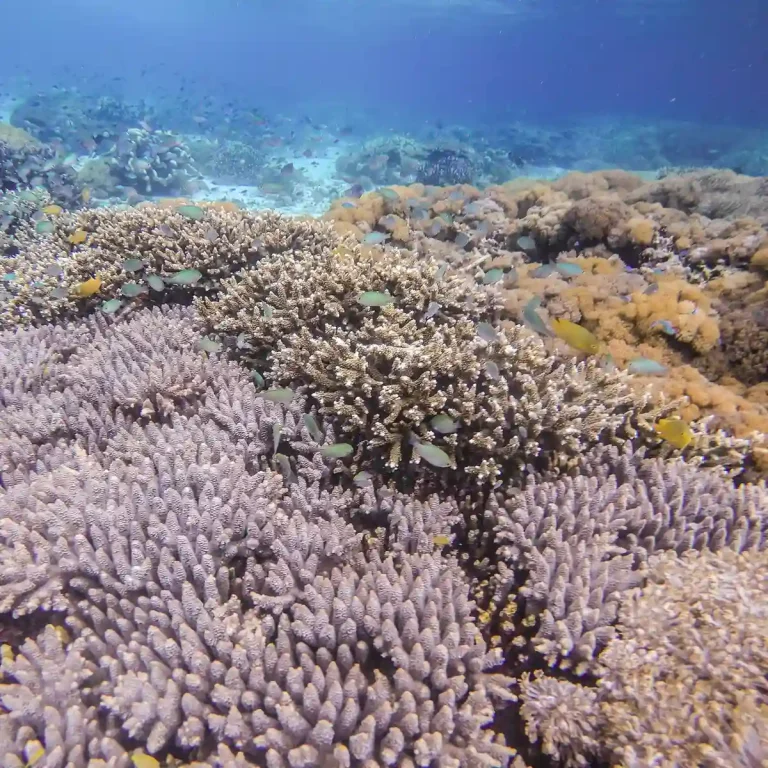
Late 2027 for Komodo luxury cruising will see a continued emphasis on bespoke experiences, with demand for private charters remaining...
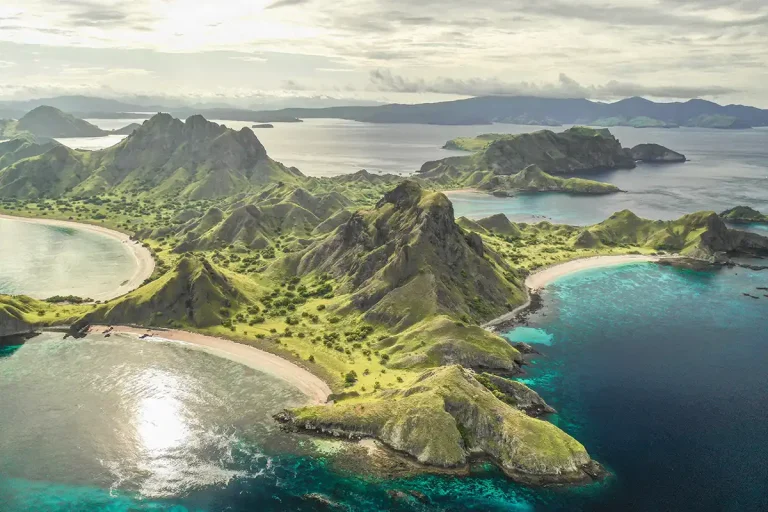
Late-2027 liveaboard trends in Komodo indicate a strong focus on group and family bookings, with pricing stabilising across budget and...
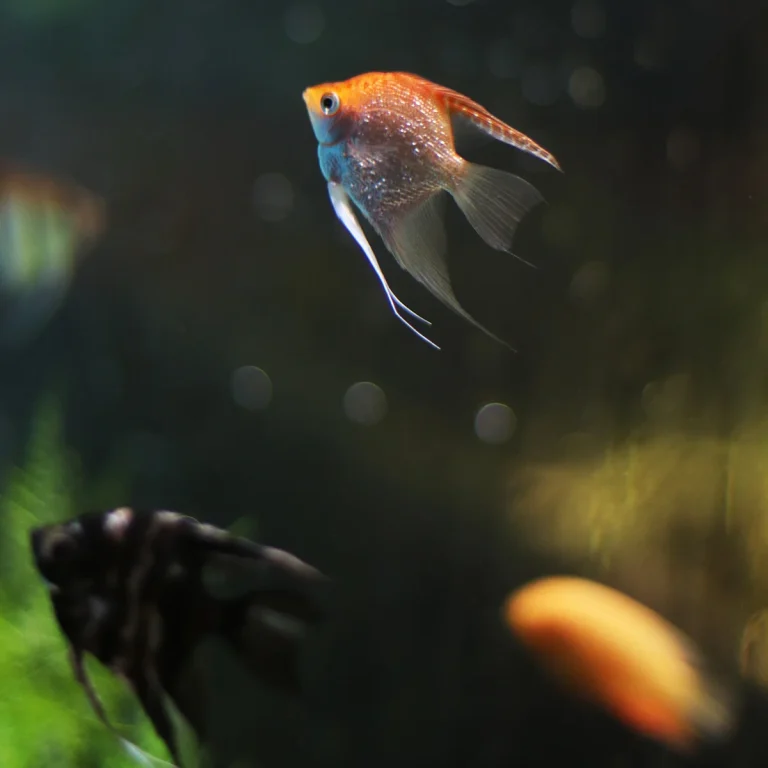
Understanding Sustainable Sailing in Komodo Sustainable sailing in Komodo refers to environmentally responsible yacht charters that minimize ecological impact while...
To begin a confidential consultation about your private Komodo super yacht charter, contact our lead charter manager directly.
Email [email protected] or WhatsApp +62 811-3823-875.
