Komodo Superyacht Trends: Late 2027 Outlook for Luxury Cruising
 Komodo Super Yacht Editorial Desk
July 3, 2026
7 min read
Komodo Super Yacht Editorial Desk
July 3, 2026
7 min read
Komodo Super Yacht Editorial Desk
July 3, 2026
7 min read
Komodo Super Yacht Editorial Desk
July 3, 2026
7 min readLate 2027 for Komodo luxury cruising will see a continued emphasis on bespoke experiences, with demand for private charters remaining robust despite rising costs. Booking windows will tighten further, necessitating earlier reservations to secure prime vessels. Environmental stewardship and local engagement will also become more prominent factors for discerning travellers.
The Komodo National Park continues to assert its position as a premier destination for superyacht enthusiasts and luxury travellers. As we approach late 2027, several key trends are solidifying, influencing everything from booking strategies to onboard experiences. Understanding these shifts is crucial for those planning an opulent escape to this Indonesian archipelago.
The financial landscape for Komodo luxury cruises is evolving. While the entry-level Komodo Luxury Cruise (specifically the Neptune Cruise in Labuan Bajo) maintains its starting point at IDR 8,500,000 (approximately $540 USD) per person for a 3-day, 2-night itinerary, the luxury charter market is seeing steady appreciation. Private trips are now consistently ranging from $800–$1,500 USD per person per day. For a more extended stay, a one-week itinerary averages around $1,200 USD per person, with luxury versions commencing at $3,500 USD. Two-week luxury excursions can now reach $7,000 USD per person.
Booking procedures are also becoming more stringent. A 50% down payment is required to secure a reservation, due no later than three days after booking. The remaining balance must be settled 30 days prior to the trip’s commencement. It is strongly recommended to book three to seven months in advance to guarantee preferred slots, a window that is likely to shorten further as demand intensifies.
It is important to note that basic fares do not typically include accident or death insurance. Travellers must arrange their own comprehensive travel and diving insurance, a practice that will become even more critical by late 2027.
The optimal window for visiting Komodo National Park remains April to October, aligning with the dry season, which offers clear skies, calm waters, and superior conditions for diving and snorkelling. June to August continues to provide the highest water clarity, ideal for drift dives and observing manta rays. Conversely, the wet season, from November to March, should be avoided due to heavy rainfall, rough seas, and the increased likelihood of itinerary alterations or cancellations.
A significant trend for late 2027 involves the repositioning of top-tier vessels. Many high-end superyachts migrate between Komodo and Raja Ampat during October and November. This ‘changetime’ requires careful planning to avoid missing specific boats. Shorter trips, such as 3-day/2-night or 6-day/5-night itineraries, are generally more accessible year-round compared to the longer 7–10 day expeditions, which are more commonly associated with Raja Ampat’s expansive offerings.
The core attractions of a Komodo luxury cruise remain consistent: trekking on Padar Island for its iconic vistas, snorkelling at Pink Beach, and encountering Komodo dragons on Rinca or Komodo Island. Diving opportunities are plentiful, with sites like Manta Point and Batu Bolong continuing to attract divers globally. However, by late 2027, there will be an increased emphasis on komodo luxury tour operators providing more nuanced, less crowded experiences, perhaps involving earlier starts or exploring lesser-known spots.
Logistically, Labuan Bajo serves as the primary port of embarkation and disembarkation, accessible via flights from Bali and Jakarta. While some luxury charters offer direct pick-up from Bali, most operations commence from Labuan Bajo. Private transfers from Komodo Airport (LBJ) to the harbour are typically included in luxury packages. The availability of reliable high-speed internet, while improving, will still vary, making offline entertainment and communication plans advisable.
By late 2027, luxury travel in Komodo will increasingly intertwine with sustainability. Guests will seek operators demonstrating genuine commitment to marine conservation, responsible waste management, and support for local communities. This includes initiatives like using biodegradable products, supporting local fishermen, and contributing to conservation projects. Superyacht owners and charterers will face greater scrutiny regarding their environmental footprint, with a preference for vessels equipped with advanced eco-friendly technologies.
There will also be a growing desire for authentic cultural interactions beyond standard tourist offerings. This might involve curated visits to local villages, participation in traditional cooking classes, or engagement with local artisans. The luxury traveller of late 2027 will not just want to see Komodo, but to understand and contribute to its preservation and culture.
The demand for personalised experiences will continue to drive innovation. Superyachts will feature enhanced technological integrations, from advanced navigation systems to sophisticated entertainment suites and remote working capabilities. Bespoke services will extend beyond itinerary customisation to include on-demand wellness programmes, private chefs offering hyper-local cuisine, and expert-led guided excursions, such as marine biologists for diving trips or photographers for wildlife safaris. Data privacy and cybersecurity will also become increasingly important considerations for high-net-worth individuals chartering vessels.
| Service/Item | Estimated Cost (USD/IDR) | Notes |
|---|---|---|
| Standard Group Trip (3D/2N) | IDR 8,500,000 (~$540) pp | Open trips, entry-level luxury |
| Luxury Charter (Daily) | $800 – $1,500 pp per day | Private charters |
| One-Week Luxury Itinerary | Starts from $3,500 pp | Average cost $1,200 pp for non-luxury |
| Two-Week Luxury Itinerary | Can reach $7,000 pp | Average cost $2,300 pp for non-luxury |
| Deposit Requirement | 50% of total | Due 3 days post-booking |
| Balance Due | Remaining 50% | 30 days before trip start |
| Booking Window | 3 – 7 months in advance | Shorter windows will become rarer |
2027 Note: The trends outlined above indicate a market maturing with higher expectations for service, environmental responsibility, and personalised experiences. Early booking remains paramount, particularly for premium vessels during peak season. Travellers should anticipate a slight upward trajectory in pricing across the luxury segment, reflecting increased demand and operational costs.
It is advisable to book your Komodo luxury cruise between three to seven months in advance, especially if you aim for the optimal dry season (April to October) or a specific high-demand vessel. Earlier booking ensures better availability and choice.
A 50% down payment is standard to secure a Komodo luxury charter. This deposit is usually required within three days of booking, with the remaining balance due 30 days before your departure date.
Generally, the basic fare for Komodo luxury cruises does not include accident or death insurance. Travellers are responsible for purchasing their own comprehensive travel and diving insurance privately to cover any unforeseen circumstances.
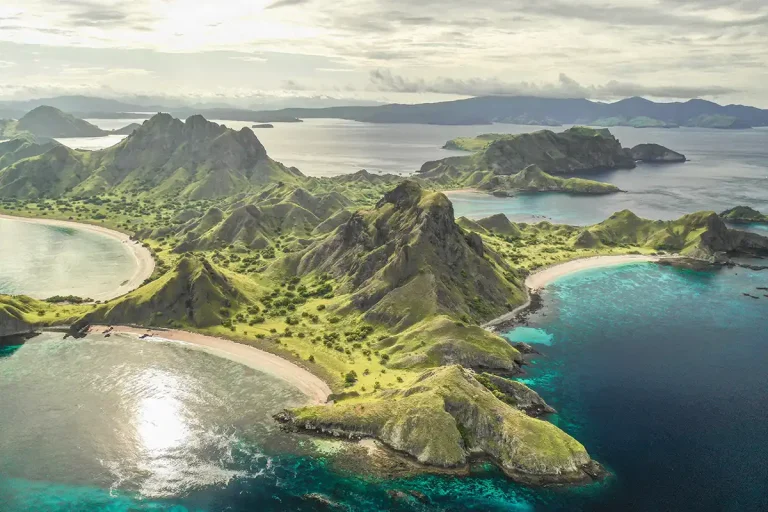
Late-2027 liveaboard trends in Komodo indicate a strong focus on group and family bookings, with pricing stabilising across budget and...
Understanding Sustainable Sailing in Komodo Sustainable sailing in Komodo refers to environmentally responsible yacht charters that minimize ecological impact while...
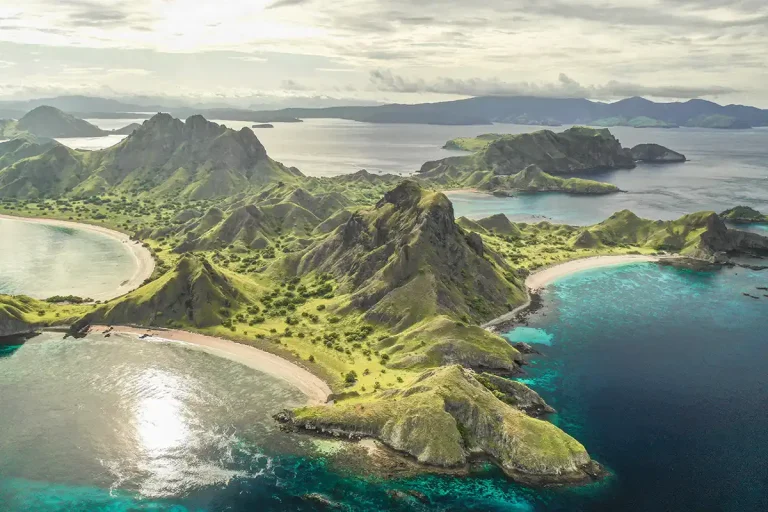
Introduction: What to Pack for a Komodo Yacht Charter Planning a yacht charter in Komodo National Park is an exhilarating...
To begin a confidential consultation about your private Komodo super yacht charter, contact our lead charter manager directly.
Email [email protected] or WhatsApp +62 811-3823-875.
