Sustainable Sailing in Komodo
 Komodo Super Yacht Editorial Desk
June 9, 2026
8 min read
Komodo Super Yacht Editorial Desk
June 9, 2026
8 min read
Komodo Super Yacht Editorial Desk
June 9, 2026
8 min read
Komodo Super Yacht Editorial Desk
June 9, 2026
8 min readSustainable sailing in Komodo refers to environmentally responsible yacht charters that minimize ecological impact while promoting conservation and cultural awareness in the stunning surroundings of Komodo National Park. These eco-friendly boat options allow travelers to explore the striking marine biodiversity and unique landscapes while committing to sustainable practices.
In recent years, the concept of responsible tourism has become increasingly significant in Komodo National Park. This UNESCO World Heritage site, established in 1980, is home to the famous Komodo dragons, pristine beaches, and vibrant coral reefs. As visitor numbers surge, the need for sustainable practices has never been more urgent. In 2026, it’s expected that over 200,000 tourists will flock to Labuan Bajo, the gateway to Komodo, making it crucial for tour operators and travelers to embrace eco-friendly practices.
By opting for a sustainable Komodo yacht charter, travelers contribute to reef conservation, protect local wildlife, and support the communities that depend on tourism. Tour operators are increasingly adopting low-impact sailing methods, which include utilizing renewable energy sources, reducing waste, and promoting marine conservation efforts.
If you’re looking to experience the stunning marine life and picturesque landscapes of Komodo while minimizing your footprint, several eco-friendly boats are available for charters. Green liveaboard options feature solar panels, energy-efficient engines, and biodegradable products to ensure a minimal impact on the environment. Expect to pay between $800 to $2,500 per night for a sustainable yacht charter, depending on the size, amenities, and duration of your journey.
To maintain the beauty and biodiversity of Komodo National Park, responsible tourism practices are essential. These include:
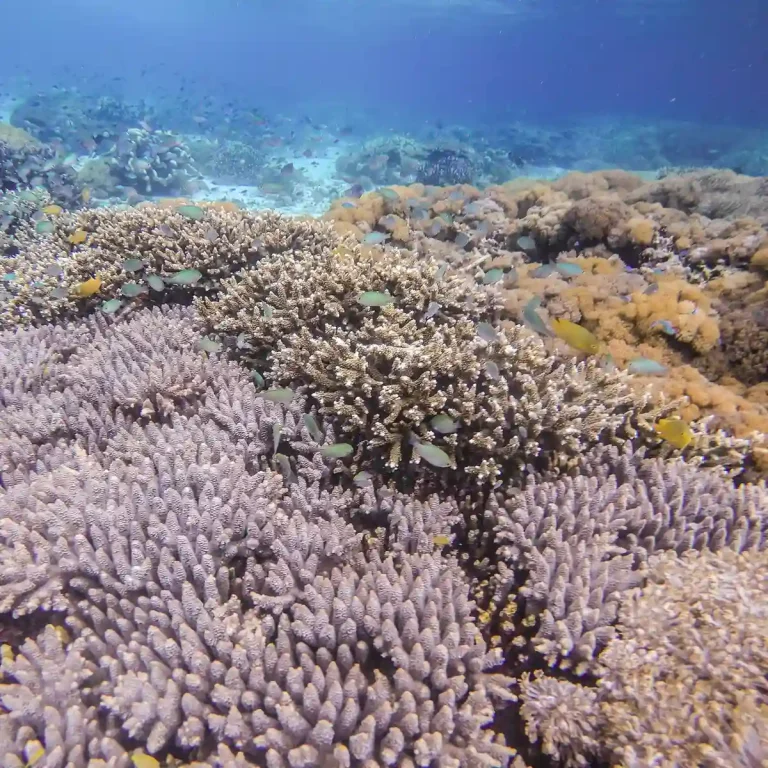
Komodo National Park is a designated marine protected area that safeguards its diverse marine ecosystems. The park consists of more than 1,800 km² of ocean, rich in coral reefs, mangroves, and seagrasses, hosting an incredible array of marine life, including manta rays, sharks, and vibrant fish species. When you choose a Komodo conservation yacht, you’re not only exploring these beautiful waters but also directly supporting vital conservation efforts.
In 2026, several conservation initiatives aim to protect critical habitats and restore degraded areas. For instance, local NGOs and government agencies work together for reef restoration, which may include coral gardening projects and educational programs for visitors. Engaging in these initiatives during your trip can enhance your experience and leave a positive impact.
Diving in Komodo is a must-do for any traveler, with dive sites like Batu Bolong and Manta Point offering incredible underwater experiences. Dive depths can range from 10 to 30 meters, catering to both beginners and advanced divers. In 2026, dive operators will continue to emphasize safe and responsible diving practices to protect coral reefs and marine life. A dive package typically costs between $100 to $150 per person, including equipment rental and guided dives.
One important aspect of being a responsible diver is using reef-safe sunscreen. Many popular brands contain harmful chemicals that can damage coral reefs. Travelers should seek out reef-safe options available in local shops or bring their own. This small action can significantly contribute to the preservation of these fragile ecosystems.
When planning your trip to Komodo, consider the following tips to ensure a sustainable and enriching experience:
In 2026, sustainable travel in Labuan Bajo can be affordable if you plan wisely. A typical sustainable yacht charter ranges from $1,000 to $2,500 per day, but you can find affordable packages that include meals, activities, and excursions. Budget travelers should consider shared charters or group tours to reduce costs while still enjoying a sustainable experience.
Accommodations in Labuan Bajo offer a range of options, from budget hostels at around $20 per night to luxury eco-resorts priced from $150 to $500 per night. Meals at local eateries can cost between $2 to $10, allowing you to enjoy delicious Indonesian cuisine without breaking the bank.
A sustainable Komodo yacht charter focuses on minimizing environmental impact through eco-friendly practices such as using renewable energy, reducing waste, and supporting marine conservation efforts.
Opt for a green liveaboard, use reef-safe sunscreen, avoid single-use plastics, and engage with local communities to support sustainable tourism.
The dry season from April to December is ideal for visiting Komodo, with optimal weather for sailing, diving, and exploring the national park.
Choosing sustainable sailing in Komodo not only allows you to experience one of the most beautiful destinations on Earth but also supports vital conservation efforts and responsible tourism practices. With stunning landscapes, vibrant marine life, and a commitment to sustainability, your adventure in Komodo will be unforgettable.
When selecting a sustainable yacht experience in Komodo, it’s essential to consider vessels that prioritize eco-friendliness. Many operators in Labuan Bajo now offer boats equipped with solar panels and energy-efficient engines. For example, Eco Sailing Komodo provides a 37-foot catamaran, powered by solar energy, catering to small groups and offering three-day itineraries starting at approximately $1,200 (18,000,000 IDR) per trip.
Additionally, Adventure Komodo runs a fleet of wooden phinisi boats that utilize traditional sailing methods along with modern, eco-conscious adaptations. Their itineraries often include stops at conservation sites, where guests can participate in reef restoration activities. Prices for a four-day cruise typically range from $1,500 (22,500,000 IDR) and include meals, snorkeling gear, and guided tours, ensuring that the experience is both enriching and sustainably managed.
Many sailing companies operating in Komodo now actively contribute to local conservation initiatives. For instance, a portion of the proceeds from each tour with Komodo Dive Club is donated to projects aimed at preserving marine biodiversity and protecting endangered species such as the hawksbill turtle. Their monthly beach clean-up events involve both staff and tourists, cultivating a sense of community and responsibility.
In 2026, collaborations between local NGOs and sailing operators are expected to grow, with initiatives focusing on coral transplantation and community awareness programs. Travelers can engage in activities like coral planting for about $50 (750,000 IDR) per session, directly impacting the health of the marine ecosystem while learning about the delicate balance of life in the waters surrounding Komodo.
To maximize the sustainability of your sailing experience in Komodo, here are some practical tips:
Looking ahead, the future of sustainable sailing in Komodo appears promising, with greater emphasis on responsible tourism practices expected by 2026. As environmental awareness grows among travelers, more operators will likely adopt eco-friendly technologies, such as hybrid engines and advanced waste management systems, ensuring a minimal ecological footprint.
Innovative partnerships between tour companies and environmental organizations will also increase, enhancing educational programs for visitors. These initiatives will not only showcase the beauty of Komodo’s marine environment but also highlight the importance of conservation. Expect to see more immersive experiences, such as guided night snorkeling trips that focus on bioluminescent organisms, which support awareness of marine life cycles and ecosystems.
The combination of responsible travel and the striking allure of Komodo National Park gives travelers an opportunity to enjoy the stunning natural beauty while making a meaningful contribution to its preservation.
Late 2027 for Komodo luxury cruising will see a continued emphasis on bespoke experiences, with demand for private charters remaining...
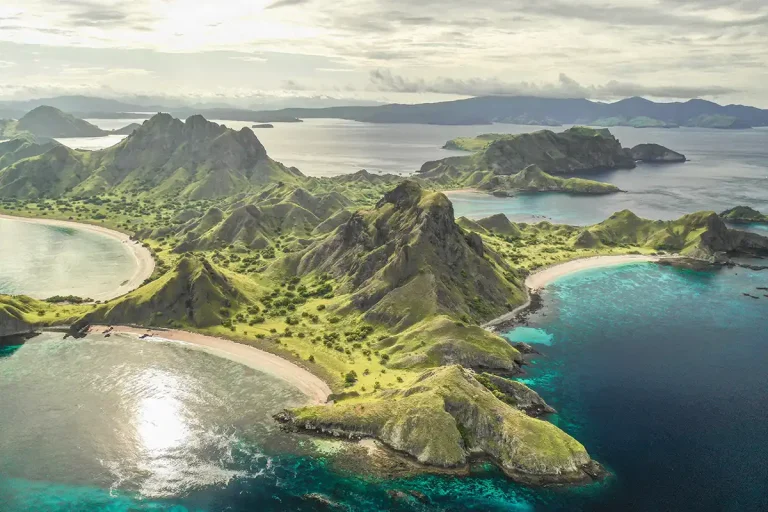
Late-2027 liveaboard trends in Komodo indicate a strong focus on group and family bookings, with pricing stabilising across budget and...
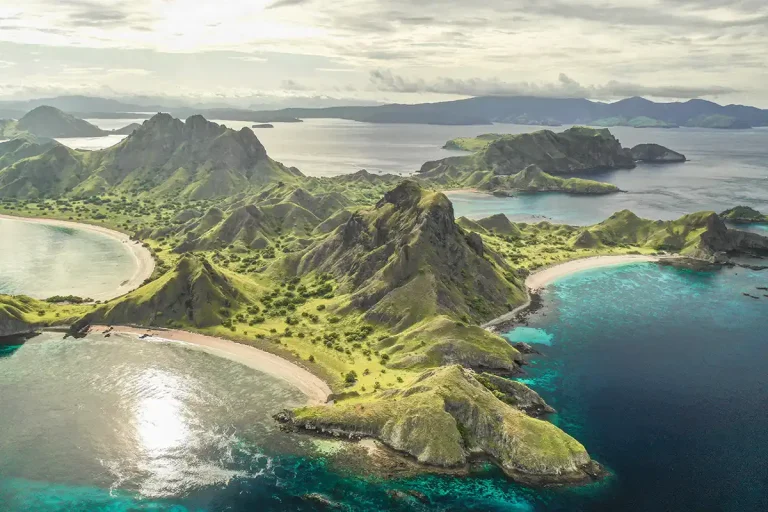
Introduction: What to Pack for a Komodo Yacht Charter Planning a yacht charter in Komodo National Park is an exhilarating...
To begin a confidential consultation about your private Komodo super yacht charter, contact our lead charter manager directly.
Email [email protected] or WhatsApp +62 811-3823-875.
