Is a Private Komodo Boat Charter Safe for Families?
 Komodo Super Yacht Editorial Desk
May 12, 2026
10 min read
Komodo Super Yacht Editorial Desk
May 12, 2026
10 min read
Komodo Super Yacht Editorial Desk
May 12, 2026
10 min read
Komodo Super Yacht Editorial Desk
May 12, 2026
10 min readThe teak deck is warm under your bare feet as the vessel glides through a channel of impossible turquoise. To port, a sweep of savannah-like terrain tumbles into a white-sand beach. To starboard, the deep, rhythmic hum of the engines is the only sound competing with your children’s laughter as they spot a pod of dolphins arcing through the bow wave. This is the central promise of a family journey through the Komodo archipelago. Yet, as a parent, a question invariably surfaces beneath the idyllic imagery: Is it truly safe? As a travel editor who has spent considerable time on the water in this part of the world, I can tell you that the answer is not just a simple yes, but a complex and reassuring one rooted in vessel quality, crew expertise, and the very nature of a private charter.
The name “Komodo” itself evokes a certain primal thrill, and with it, a parent’s natural sense of caution. The primary concerns I hear from discerning family travelers revolve around three elements: the famed dragons, the powerful sea currents, and the region’s perceived isolation. It’s essential to address these with facts, not fears. The Komodo dragon (Varanus komodoensis), a creature of immense power, is confined to a few specific islands within the 1,733-square-kilometer Komodo National Park, primarily Rinca and Komodo. Every single visit to these islands is mandatory-guided. You are not wandering freely; you are escorted by at least one, and often two, highly trained park rangers for every family group. These professionals, who have grown up in the region, understand the animals’ behavior intimately. They maintain a safe viewing distance of 5 to 7 meters and carry forked sticks, used not as weapons, but to gently redirect a curious dragon. The risk is managed to a level I’d equate with a professionally guided safari in Africa. The second concern, the currents, is valid. The Indonesian Throughflow funnels immense volumes of water between the Pacific and Indian Oceans here. However, this is precisely where the value of an expert captain on a private charter becomes non-negotiable. They possess thousands of hours of experience navigating these channels, understanding the tidal flows of straits like Lintah and Molo, and knowing which routes are safe at specific times of the day. They simply do not take risks. A journey on a premier Komodo Super Yacht isn’t about battling the elements; it’s about using generations of local knowledge to work in harmony with them.
Not all boats are created equal, a fact that is magnified tenfold when children are on board. The difference between a budget shared boat and a luxury private phinisi is the difference between basic transportation and a floating five-star resort with robust safety engineering. When assessing if a private Komodo boat charter is safe, the vessel is your first line of defense. Premier yachts in this class are often built with steel hulls for maximum stability and undergo rigorous annual dry-dock inspections that far exceed local requirements. Onboard, the safety infrastructure is comprehensive. We’re talking about SOLAS-grade inflatable life rafts, not just simple boats. We’re talking about a full manifest of life jackets in every conceivable size, from adult to infant. Advanced fire suppression systems are integrated throughout the vessel, from the engine room to the galley. The medical kits I’ve inspected on top-tier yachts are more akin to a remote clinic’s inventory, often including an automated external defibrillator (AED) and extensive trauma supplies. Beyond emergency gear, the design itself prioritizes family security. High, solid railings, secure cabin doors, and thoughtfully designed layouts minimize fall risks. The crew is also adept at subtle child-proofing, ensuring a safe environment without compromising the vessel’s elegance. A 45-meter phinisi displacing over 350 tons provides a stable platform that significantly reduces the likelihood of seasickness, creating a comfortable and secure home on the water for your entire family.
While the hardware is critical, the “software”—the human crew—is arguably the most important safety component of your charter. A top-tier crew transforms a vessel from a mere object into a living, breathing entity dedicated to your family’s well-being. The captain of a luxury charter vessel is a master mariner, often holding certifications that allow them to command much larger ships, but they choose this life for their love of the region. Their expertise is hyper-specific; they know the exact location of every submerged reef and the temperament of every anchorage. But the safety culture extends through the entire crew of 12 to 20 members. I’ve observed weekly safety drills on these yachts, covering everything from man-overboard procedures to fire response, all practiced with quiet efficiency. The dive masters and cruise directors are not just hospitality guides; they are certified PADI professionals and often Emergency First Responders. When your eight-year-old snorkels for the first time, a guide is right beside them in the water, pointing out parrotfish while the support dinghy hovers just 30 meters away. This proactive, multi-layered approach to safety is what defines the luxury charter experience. As one captain with over two decades of experience in these waters explained to me, “My responsibility isn’t just to navigate the ship. It’s to manage the entire environment for my guests. From water quality to sun exposure, their safety is my constant focus.” This professional dedication is the ultimate assurance for any parent.
The beauty of a private charter is the complete personalization of the itinerary, which is a cornerstone of ensuring family safety. The adventure is tailored to you. If you have young children, the focus shifts to calm, shallow snorkeling spots where the coral gardens are just a meter below the surface. Places like the famous Pink Beach or the tranquil waters of Siaba Besar become your private aquarium. The crew provides properly fitting, high-quality masks, snorkels, and fins for all ages. Life vests or buoyancy aids are always available and encouraged. For trekking excursions, the chosen paths are gentle and the pace is dictated by the smallest legs in the group. The goal is never to conquer a summit but to experience the unique landscape and wildlife in a controlled, enjoyable way. Kayaking and stand-up paddleboarding expeditions are launched in protected, glass-calm bays, always under the watchful eye of a crew member in a nearby tender. For families with teenagers seeking more advanced activities like scuba diving, the onboard PADI instructors conduct refresher courses and select dive sites that match their certification level, avoiding the park’s most challenging currents. This bespoke approach, a hallmark of any quality Komodo Super Yacht charter, ensures that every activity is thrilling yet remains well within the comfort and safety parameters of your specific family dynamic. The official tourism board, Indonesia Travel, provides excellent overviews of the activities available, but a private charter allows you to experience them on your own terms.
A safe family journey goes beyond just avoiding accidents; it encompasses health, wellness, and nutrition. This is an area where luxury charters truly distinguish themselves. One of the most common anxieties for parents traveling in Southeast Asia is food and water safety. On a premier vessel, this concern is rendered moot. All water used for drinking, washing produce, and making ice comes from high-capacity onboard desalination systems or from certified bottled sources. It is purer than what most of us drink at home. The galleys I’ve seen are gleaming stainless-steel affairs that would pass the most stringent health inspections. The chefs are professionally trained and possess a deep understanding of food hygiene and, crucially, allergy management. Before you even step on board, the cruise director will have a detailed record of your family’s dietary needs, from gluten intolerance to a child’s picky eating habits. This ability to completely control the culinary environment is a massive, often overlooked, safety benefit. Furthermore, the crew is vigilant about sun protection and hydration, constantly circulating with fresh juices, water, and reminders to reapply sunscreen. In the unlikely event of a medical issue, the response is swift. The crew is trained to stabilize and provide immediate care, while the captain has a direct satellite line to shoreside medical advisors and knows the fastest evacuation route to the international-standard hospitals in Labuan Bajo, typically just 2 to 4 hours away from the park’s central cruising grounds.
Q: What is the best age for children to enjoy a Komodo charter?
A: While every child is different, we find that children aged 6 and up get the most out of the experience, as they can actively participate in snorkeling, kayaking, and trekking. However, top-tier charters can and do cater to families with toddlers and even infants, providing amenities like high chairs and cribs and crafting itineraries focused on calm beach time and gentle sailing.
Q: Are there many mosquitoes or other insects to worry about?
A: Because you are living on the water and sleeping in climate-controlled cabins, exposure to insects is dramatically lower than in a land-based resort. The sea breezes keep most flying insects at bay. While it’s always wise to have insect repellent for shore excursions, particularly around dusk, it is not a major concern for most guests onboard.
Q: What is the communications situation? Can we stay in touch?
A: While the goal is often to disconnect, peace of mind is paramount. Most of the Komodo National Park has intermittent 4G cellular service. For reliable connectivity, luxury vessels are equipped with satellite phones and Wi-Fi systems, which allow for email and messaging. It ensures you are never truly out of reach in an emergency, offering another layer of security that makes a private Komodo boat charter safe for families.
The final analysis is clear. The untamed allure of the Komodo archipelago does not have to be at odds with a parent’s deep-seated need for security. On the contrary, a private charter with a vetted, professional operator represents one of the safest and most rewarding ways to experience this magnificent corner of the planet. The layers of safety—from the vessel’s construction and the crew’s training to the bespoke itinerary and controlled provisions—work in concert to create a secure bubble in which your family can explore, learn, and connect. The question shifts from “Is it safe?” to “Which vessel will be our family’s platform for the adventure of a lifetime?”
The ultimate family adventure awaits, built on a bedrock of uncompromising safety. Explore the possibilities and see how a komodo super yacht charter can create indelible memories for your family, all with complete peace of mind.
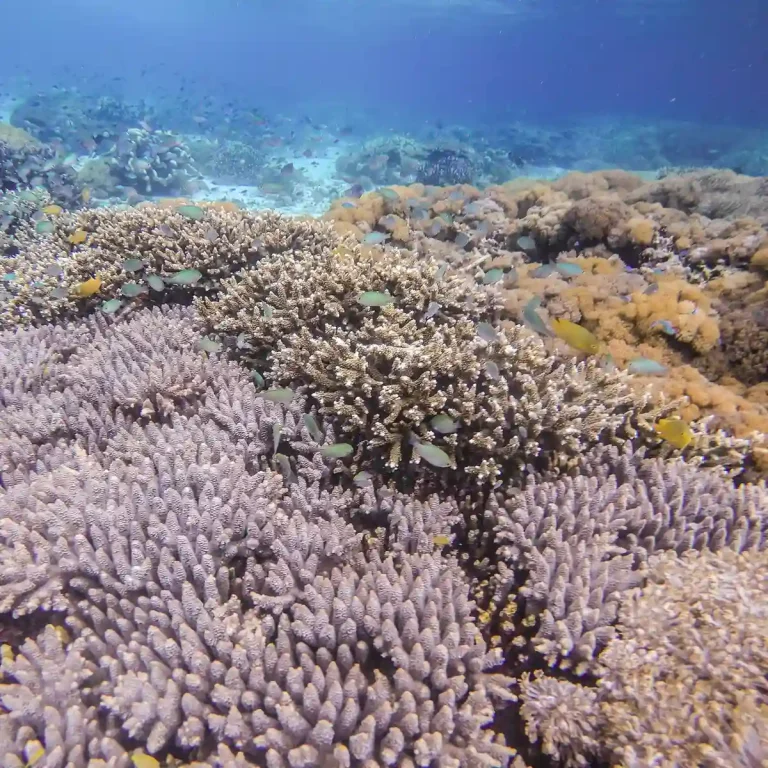
Late 2027 for Komodo luxury cruising will see a continued emphasis on bespoke experiences, with demand for private charters remaining...
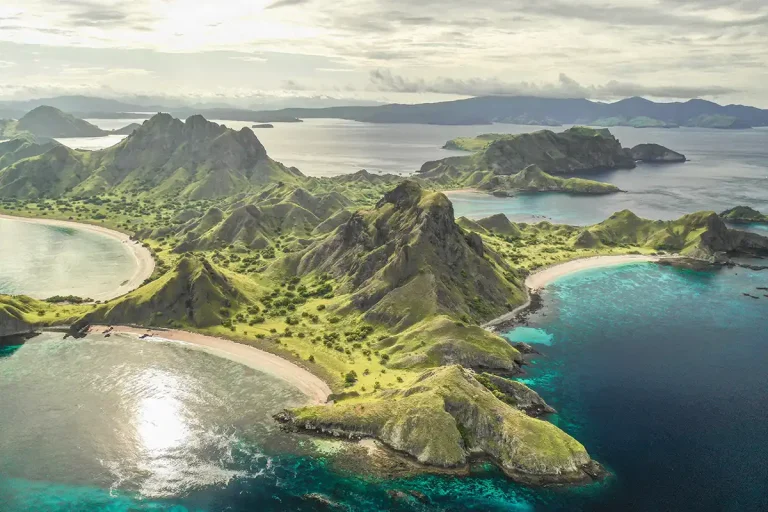
Late-2027 liveaboard trends in Komodo indicate a strong focus on group and family bookings, with pricing stabilising across budget and...
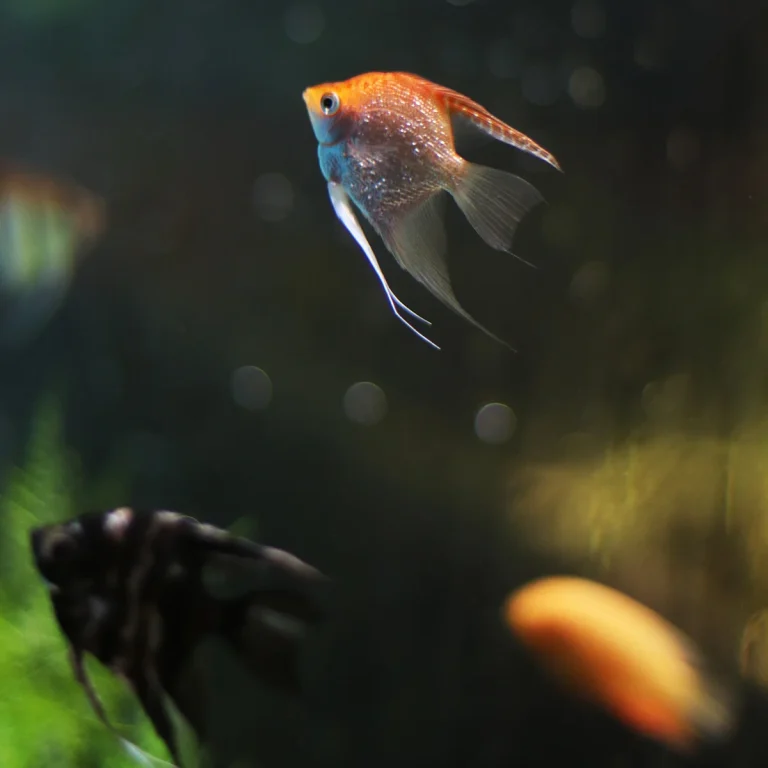
Understanding Sustainable Sailing in Komodo Sustainable sailing in Komodo refers to environmentally responsible yacht charters that minimize ecological impact while...
To begin a confidential consultation about your private Komodo super yacht charter, contact our lead charter manager directly.
Email [email protected] or WhatsApp +62 811-3823-875.
