A Complete Price Guide for a Luxury Komodo Liveaboard Trip
 Komodo Super Yacht Editorial Desk
May 12, 2026
9 min read
Komodo Super Yacht Editorial Desk
May 12, 2026
9 min read
Komodo Super Yacht Editorial Desk
May 12, 2026
9 min read
Komodo Super Yacht Editorial Desk
May 12, 2026
9 min readThe polished teak deck is warm underfoot, the air a heady mix of sea salt and the distant, sweet scent of frangipani from an unseen shore. To the port side, the volcanic cone of Sangeang Api pierces a cloudless sky, its ancient slopes a dramatic backdrop against the sapphire-blue Flores Sea. This is the living, breathing reality of an expedition through the Komodo archipelago, and from the sundeck of a private yacht, it is a world entirely your own. But what is the investment for an experience of this magnitude? As editors who have covered the world’s most exclusive destinations, we’ve learned that transparency is the ultimate luxury. Here, we present a complete price guide for a luxury Komodo liveaboard trip, demystifying the costs associated with one of the planet’s last great adventures.
The headline figure for any yacht charter is the base fee, which in Komodo’s luxury sector, begins at approximately $25,000 per week for an intimate, high-quality Phinisi schooner and climbs north of $150,000 for a true global-roaming superyacht. This initial price secures the vessel itself and its professional crew. For a vessel accommodating 10-12 guests, this typically includes a captain, one or two engineers, a chef, several stewardesses, and deckhands—often a crew of 10 to 14, ensuring an almost one-to-one service ratio. The quality of the vessel is paramount in this calculation. A recently refitted 50-meter Phinisi, constructed from traditional ironwood and teak but equipped with state-of-the-art navigation systems and hotel-grade amenities, commands a premium. We spoke with a leading yacht broker in the region who confirmed that a significant refit within the last 24 months can increase a vessel’s charter value by as much as 20-25%. This fee also includes the use of standard onboard water toys—think paddleboards, kayaks, and basic snorkeling gear. It is, however, just the starting point of your budget. The real tailoring of the experience, and its associated costs, comes next.
The most misunderstood component of a luxury charter is the Advanced Provisioning Allowance, or APA. This is the standard mechanism across the global yachting industry for handling on-trip expenses. The APA is a refundable deposit, typically calculated at 25-30% of the base charter fee, paid to the captain before embarkation. For a yacht with a $70,000 weekly fee, this means an APA of $17,500 to $21,000. This fund is, in essence, your private onboard bank account, managed with complete transparency by the captain. It covers every variable cost tailored to your preferences. This includes all fuel for the yacht and its tenders—a significant cost, as cruising the 1,733 square kilometers of the Komodo National Park can consume thousands of liters of diesel. It also covers all food and beverages. If your preference sheet requests Petrossian caviar, cases of Billecart-Salmon rosé, and a specific menu of plant-based cuisine, the chef provisions accordingly using the APA. Other costs deducted include port and harbor fees, laundry, and any special requests like a professional photographer or local cultural performers brought on board for an evening. The captain maintains a running, itemized account of all expenditures, which you can review at any time. At the end of the charter, the final account is presented. Any unspent funds are returned to you in full. Conversely, if your requests exceed the initial APA, the difference would be settled before disembarkation.
Operating within the UNESCO World Heritage site of Komodo National Park carries a unique set of costs mandated for conservation and regulation. These fees are non-negotiable and are a vital part of protecting the fragile ecosystem that is home to the 5,700-odd Komodo dragons. According to Indonesia’s Ministry of Tourism and Creative Economy, all visitors must pay a series of fees. For a foreign national, this includes a daily park entrance fee of approximately IDR 150,000 (about $10 USD) on weekdays, which rises to IDR 225,000 ($15 USD) on weekends and holidays. Additionally, there are activity-specific fees for diving (around IDR 100,000 per day) and snorkeling (IDR 50,000 per day). For the iconic dragon-sighting treks on Rinca or Komodo Island, a local ranger guide is mandatory, costing around IDR 80,000 per group. While these individual daily costs seem minor, for a group of 10 guests on a 7-day charter, they accumulate to over $2,000. A reputable charter company like a komodo super yacht operator will handle all these permits in advance, with the costs typically being deducted from your APA. Furthermore, port fees at Labuan Bajo, the main embarkation point, and any mooring fees in protected bays can add several hundred dollars to the final bill. These are the necessary tolls for accessing one of Earth’s most protected and primeval landscapes.
The distinction between a great trip and an memorable one often lies in the caliber and specialization of the crew. On a luxury charter, this extends far beyond standard service. Requesting specialist staff is a common way to elevate the experience, and this comes with associated costs. A Cordon Bleu-trained private chef, capable of producing multi-course tasting menus in a ship’s galley, is a different proposition from a standard yacht cook. Their expertise, especially in sourcing rare ingredients to a remote location like Flores, is factored into the charter’s operational overhead. For diving enthusiasts, a private PADI-certified divemaster or instructor is essential. This ensures you can explore sites like Batu Bolong or Manta Point at your own pace, away from crowded dive boats. A dedicated divemaster’s services can add $1,500-$2,500 to the weekly cost. Increasingly, clients are requesting onboard wellness specialists, such as a certified yoga instructor for sunrise sessions on the top deck or a licensed massage therapist. These professionals are flown in and accommodated on board, a cost that typically adds $2,000-$4,000 per week. Finally, there is crew gratuity. While discretionary, a tip is standard practice to acknowledge exceptional service. The Mediterranean Yacht Brokers Association (MYBA) guidelines suggest a gratuity of 10-20% of the base charter fee, presented to the captain for distribution among the entire crew. On a $70,000 charter, this amounts to a $7,000 to $14,000 gesture that recognizes the crew’s tireless, 16-hour days.
The term “luxury liveaboard” encompasses a wide spectrum of vessels, and understanding the tiers is key to aligning your expectations with your budget. The market can be broadly segmented into three categories. The first is the Boutique Phinisi Fleet, with weekly charter rates from $25,000 to $45,000. These are typically traditional, two-masted wooden schooners, beautifully crafted and refitted with 4-6 guest cabins. They offer an authentic Indonesian sailing experience combined with modern comforts and a high level of service, perfect for families or small groups. The next level is the Modern Luxury Phinisi and Motor Yacht category, priced from $50,000 to $90,000 per week. These are larger vessels, often in the 40-55 meter range, with more expansive suites, dedicated spa rooms, jacuzzis, and extensive dive centers. This tier represents the core of the Komodo Super Yacht Charter: The Ultimate Luxury Indonesian Escape experience, blending local craftsmanship with international standards of luxury. Finally, at the apex, are the true Global Superyachts, chartering for $100,000 to over $250,000 per week. These are often European-built steel-hulled vessels that migrate to Southeast Asia for the season. They offer exceptional volume, amenities like onboard cinemas and beach clubs, and a wider range of high-tech water toys, such as e-foils and personal submarines. The choice depends entirely on the desired style of travel—the romanticism of sail versus the unadulterated opulence of a modern motor yacht.
When is the best time to charter in Komodo for value and experience?
The peak season is during the dry months of July and August, which sees the highest demand and charter rates. For the best balance, we recommend the shoulder seasons: April to June and September to October. During these months, the weather is excellent, the seas are calm, and you may find slightly better vessel availability and potentially more negotiable rates. The marine life, including the famous manta rays, is prolific year-round.
Are flights to the embarkation port of Labuan Bajo (LBJ) included?
No, flights are a separate cost. Labuan Bajo is well-serviced with multiple daily flights from Bali (DPS) and Jakarta (CGK). A round-trip economy flight from Bali typically costs between $150 and $300. For this level of travel, many clients opt for private charter flights directly to Komodo Airport (LBJ), which can be arranged by your charter broker for a seamless plane-to-yacht transfer.
How far in advance should we book a luxury Komodo liveaboard?
For the most sought-after yachts, especially during peak and shoulder seasons, booking 12 to 18 months in advance is highly recommended. The top-tier Phinisis and motor yachts have loyal repeat clients and their calendars fill up quickly. A lead time of at least one year provides the best selection and allows ample time for itinerary planning and provisioning.
What kind of travel insurance is required?
Comprehensive travel and medical insurance is non-negotiable and a mandatory requirement by all reputable charter operators. Given the remote location, your policy must include emergency medical evacuation coverage of at least $200,000. We also strongly advise a “cancel for any reason” policy to protect your significant investment in the charter fees. A good broker will require proof of insurance before the final charter agreement is signed.
The investment in a private Komodo charter is considerable, but it purchases something increasingly rare: genuine escape. It is the freedom to weigh anchor and chase the sunset, to dive a top-tier reef with only your chosen companions, and to witness a prehistoric dragon in its natural habitat, all orchestrated with a level of service that anticipates every need. Planning an expedition of this caliber requires expert guidance. The fleet at komodo super yacht represents the pinnacle of Indonesian maritime luxury, offering meticulously curated vessels and crews. Their charter specialists can navigate every detail of this price guide, crafting a journey tailored precisely to your expectations and ensuring your investment returns an experience of a lifetime.
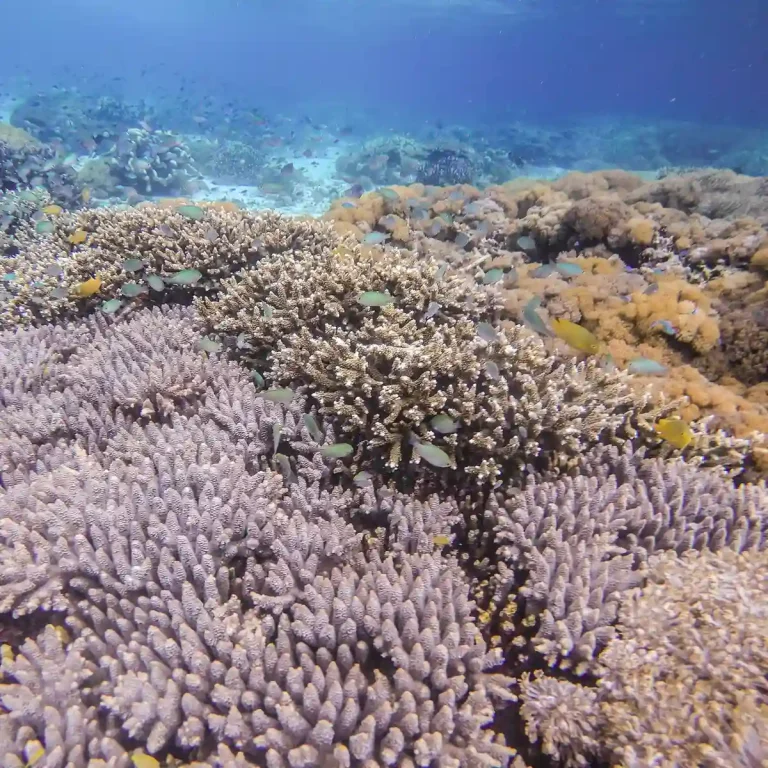
Late 2027 for Komodo luxury cruising will see a continued emphasis on bespoke experiences, with demand for private charters remaining...
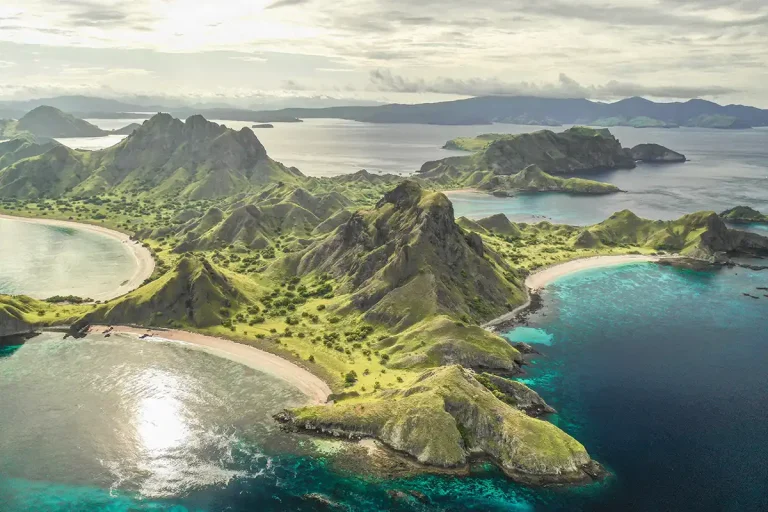
Late-2027 liveaboard trends in Komodo indicate a strong focus on group and family bookings, with pricing stabilising across budget and...
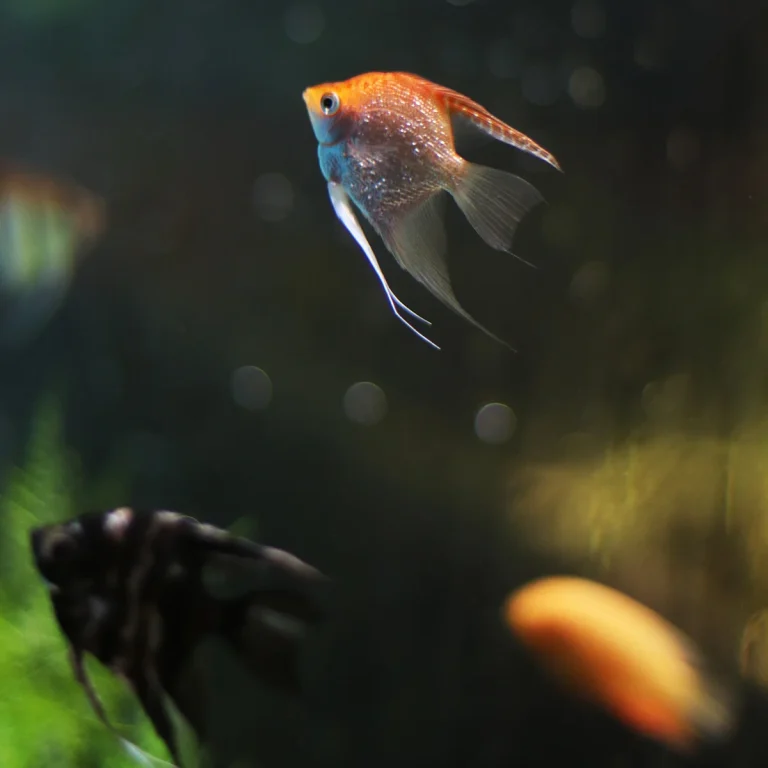
Understanding Sustainable Sailing in Komodo Sustainable sailing in Komodo refers to environmentally responsible yacht charters that minimize ecological impact while...
To begin a confidential consultation about your private Komodo super yacht charter, contact our lead charter manager directly.
Email [email protected] or WhatsApp +62 811-3823-875.
